

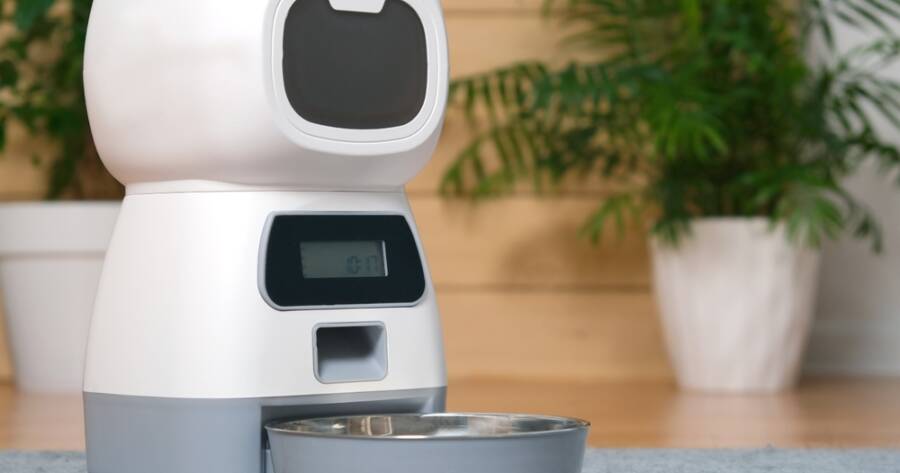
For many pet parents, balancing work, family, and other responsibilities can make it challenging to keep feeding schedules consistent. Pets thrive on routine, and missed meals or irregular portions can affect their health and behavior. Automatic feeders have become a popular solution, offering convenience and peace of mind by ensuring your furry friend gets fed on time, every time. With features that range from simple timers to smart technology, modern devices are changing how owners manage daily pet care.
Why Automatic Feeders Are Helpful
Automatic feeders do more than dispense food—they help create a structured routine that supports your pet’s well-being. For dogs and cats prone to overeating, portion control settings allow you to manage how much they eat.
For pets with medical needs, such as those requiring timed meals for diabetes management, an automatic feeder can provide consistency that manual feeding sometimes lacks. By reducing stress for both pets and owners, feeders free up time while still keeping your pet’s diet on track.
Types of Automatic Feeders
Automatic feeders come in several designs, each catering to different needs.
- Gravity feeders: These are the simplest, relying on gravity to release food into a bowl as your pet eats. They’re easy to use but don’t offer portion control.
- Programmable feeders: These allow you to schedule meal times and portion sizes, making them ideal for pets who need regular feeding intervals.
- Smart feeders: Connected to apps, these let you adjust feeding times remotely and sometimes even monitor your pet through cameras or alerts.
Choosing the right type depends on your pet’s habits and your lifestyle.
Features That Make a Difference
The best automatic feeders stand out because of the little details that improve convenience and reliability. Look for feeders with secure lids to keep food fresh and prevent curious pets from sneaking extra meals. Some feeders include voice recording features so you can call your pet to eat, which can be comforting when you’re not home.
Battery backup options are also valuable, ensuring your pet doesn’t miss a meal during a power outage. For multiple-pet households, feeders with selective feeding options prevent one pet from eating another’s portion.
Balancing Convenience With Pet Needs
While automatic feeders are convenient, they should complement, not replace, quality time with your pet. Feeding is often a bonding experience, and pets still need interaction, play, and care beyond mealtime.
Automatic feeders work best when paired with an active commitment to your pet’s emotional and physical health. Regularly checking that the feeder is working properly, cleaning it to avoid bacteria buildup, and monitoring your pet’s weight are all part of using the technology responsibly.
Matching the Feeder to Your Lifestyle
Different feeders suit different households. A busy professional who works long hours may benefit most from a smart feeder that can be adjusted remotely. Families with multiple pets might need advanced features that allow individual meal management.
Meanwhile, someone with a fairly regular schedule might find a simple programmable feeder more than sufficient. By matching your lifestyle and your pet’s dietary needs to the right device, you maximize both convenience and care.
Making Mealtime Stress-Free
Automatic feeders offer more than convenience—they help busy pet parents provide structure, portion control, and peace of mind. Whether you choose a simple gravity model, a programmable feeder, or a high-tech smart option, these devices can make daily routines smoother while supporting your pet’s health.
Ultimately, the best feeder is one that aligns with your schedule and your pet’s unique needs. When used thoughtfully, automatic feeders turn mealtime into a stress-free part of the day for both pets and their owners.